Agency Business Card: Essential Design Tools
For professionals in creative and business fields, a well-designed business card can make a lasting impression. An agency business card is more than just a piece of paper—it's a reflection of your brand, style, and professionalism. Whether you're an entrepreneur, designer, or marketer, having the right tools to create a compelling business card is crucial. This article explores how different users approach the design and production of agency business cards, focusing on key elements like file formats, size, and color settings.
Understanding Agency Business Cards
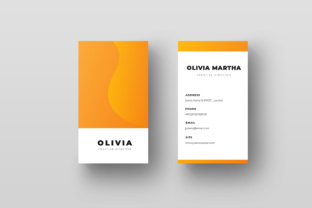
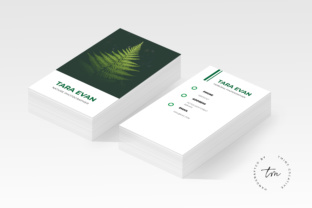
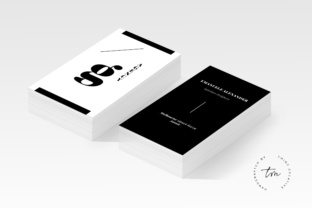
An agency business card is typically designed by graphic designers, marketing agencies, or freelance creatives for clients who need a professional representation of their brand. These cards are often created with specific dimensions, color profiles, and file types to ensure high-quality printing and digital use. Common specifications include a size of 2.27×3.75 inches, CMYK color mode at 300 DPI, and layered files in AI, EPS, or JPG formats. These details matter because they affect how the final product looks and functions across different platforms and media.
Why Different Audiences Care About Agency Business Cards
The importance of an agency business card varies depending on who is using it. For beginners, it might be about learning the basics of design and print preparation. For experienced professionals, it could be about maintaining brand consistency and ensuring high-quality output. Educators might focus on teaching students how to create effective visual identities, while entrepreneurs may prioritize cost-effective and efficient design solutions.
Each group has unique priorities. A small business owner might care most about affordability and ease of use, while a designer may focus on flexibility and creative control. Understanding these differences helps users choose the right tools and resources for their needs.
How Beginners Approach Agency Business Cards
For those new to design, an agency business card might seem overwhelming. They may not know what file formats to use or why certain settings matter. However, starting with a well-organized template can simplify the process. Using AI or EPS files allows for easy editing, while JPG previews help visualize the final look. Beginners should also pay attention to the font used, as specified in the read me file, to maintain a cohesive design.
Practical example: A student creating a business card for a part-time job might focus on clarity and simplicity, choosing a clean font and minimal text to ensure readability.
Experienced Users and Advanced Design Needs
Seasoned designers and marketers often require more control over the design process. They may prefer working with layered AI or EPS files, which allow for adjustments to colors, graphics, and layout without losing quality. The 300 DPI resolution ensures that the card looks sharp when printed, while CMYK color mode prevents unexpected color shifts during the printing process.
Practical example: A marketing professional designing a business card for a client might test multiple layouts and color variations to find the best match for the brand’s identity.
Creators and Artists: Balancing Aesthetics and Functionality
Artists and creators often view business cards as an extension of their personal brand. They may experiment with unique shapes, textures, or fonts to stand out. However, even in creative projects, technical specifications matter. A 2.27×3.75 inch size ensures the card fits standard holders, while well-organized layers make it easier to update or modify the design later.
Practical example: A freelance illustrator might incorporate their signature style into the business card, using a custom font and bold visuals to reflect their artistic identity.
Professionals and Business Owners: Prioritizing Reliability and Branding
For professionals and business owners, an agency business card is a tool for networking and branding. They need a reliable and consistent design that represents their company effectively. This means choosing high-quality file formats, accurate color profiles, and clear typography. The read me file can provide important details about the font used, ensuring that the design remains consistent across all platforms.
Practical example: A small business owner launching a new venture might invest in a professionally designed business card to make a strong first impression at industry events.
Consumers and Hobbyists: Simple Solutions for Everyday Use
Even hobbyists and casual users can benefit from a well-designed business card. Whether it's for a local event, a personal project, or a side hustle, a good business card can help share contact information efficiently. Consumers may not need advanced design tools, but they still value clarity, readability, and a polished appearance.
Practical example: A hobbyist selling handmade crafts online might use a simple business card to distribute at craft fairs, ensuring that customers can easily reach out for more information.
Choosing the Right Tools for Your Needs
When selecting an agency business card, consider your goals, skill level, and the intended use. If you're looking for a quick and easy solution, a JPG preview might be sufficient. For more detailed work, AI or EPS files offer greater flexibility. Always check the specifications—such as size, color mode, and resolution—to ensure the final product meets your expectations.
Whether you're a beginner or an expert, understanding the technical aspects of business card design can help you make informed decisions. By focusing on practicality, quality, and creativity, you can create a business card that truly represents your brand and connects with your audience.