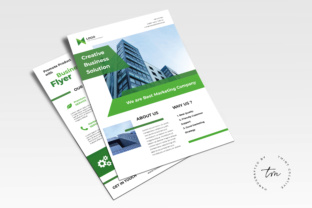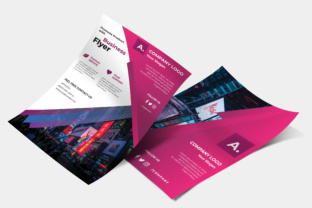
Corporate Flyer: Strategic Design for Business Impact
Corporate flyers are more than just printed materials; they are strategic tools that can shape perception, communicate value, and drive action. When designed with intention, a corporate flyer becomes a powerful extension of a brand’s identity and messaging. For professionals, entrepreneurs, and decision-makers, understanding the nuances of creating and using a corporate flyer is essential for maximizing its impact.
One of the most effective formats for a corporate flyer is the A4 size (8.27×11.69 inches) with bleed, CMYK color mode, and 300 DPI resolution. These specifications ensure that the final print is sharp, professional, and visually consistent across all platforms. The use of AI EPS files further enhances the design process by allowing for scalable vector graphics that maintain quality at any size.
Why Corporate Flyer Matters in Modern Business
In an era where digital presence dominates, physical materials like corporate flyers still hold significant value. They offer a tangible connection to a brand, making them ideal for events, networking, and direct customer engagement. A well-crafted corporate flyer can reinforce brand recognition, communicate key messages, and serve as a memorable takeaway for recipients.
The strategic use of a corporate flyer can support various business goals, from lead generation to customer retention. It allows businesses to present their services, products, or mission in a concise and visually appealing format. This makes it especially useful for small businesses, startups, and professionals who need to make a strong impression quickly.
Understanding the Technical Aspects of Corporate Flyer Design
Creating a corporate flyer involves more than just visual appeal—it requires attention to technical details that ensure the final product meets industry standards. The A4 size is widely used because it offers a balanced format for information delivery without being too large or too small. Adding bleed margins ensures that the design extends beyond the trim edge, preventing unwanted white space around the edges of the printed piece.
CMYK color mode is essential for print projects, as it accurately represents how colors will appear on paper. Unlike RGB, which is used for digital screens, CMYK provides a more realistic preview of the final output. A 300 DPI resolution ensures that images and text remain crisp and clear, even when printed at larger sizes.
AI EPS files are particularly valuable for corporate flyer design because they allow for high-quality vector graphics. These files can be scaled without losing clarity, making them ideal for both print and digital use. Additionally, they provide flexibility for future edits and adjustments, ensuring that the flyer remains relevant over time.
Strategic Use of Layers in Corporate Flyer Design
Layers are a fundamental aspect of graphic design, especially when working with complex layouts. In the context of a corporate flyer, layers help organize elements such as text, images, and background graphics. This organization not only improves the design process but also makes it easier to edit and update the flyer in the future.
Well-organized layers allow designers to isolate specific elements, making it simple to adjust typography, color schemes, or layout structures without affecting other parts of the design. This is particularly important for businesses that may need to update their flyer periodically to reflect new branding, promotions, or messaging.
For users who may not be familiar with design software, the inclusion of a read me file with font information is invaluable. It ensures that the flyer can be opened and edited correctly, maintaining the intended look and feel across different devices and platforms.
When to Use a Corporate Flyer and How to Approach It
A corporate flyer is most effective when used strategically, rather than as a generic marketing tool. It is best suited for situations where a clear, concise message needs to be delivered to a targeted audience. This could include business meetings, trade shows, client presentations, or promotional campaigns.
To approach a corporate flyer effectively, start by defining the purpose. What is the primary goal of the flyer? Is it to introduce a new service, promote an event, or reinforce brand identity? Once the purpose is clear, the next step is to determine the target audience. Understanding who will receive the flyer helps shape the tone, content, and visual style of the design.
Planning is also crucial. Consider the layout, color scheme, and typography that align with your brand’s identity. Ensure that the design is not only visually appealing but also easy to read and navigate. Including a call to action—such as a website, contact number, or social media link—can help drive engagement and conversions.
Practical Examples of Corporate Flyer Use Cases
Entrepreneurs can use a corporate flyer to introduce their business to potential clients or partners. For example, a freelance graphic designer might create a flyer that highlights their portfolio, services, and contact information. This can be handed out at networking events or included in email outreach to generate interest.
Marketers can leverage corporate flyers for product launches or special promotions. A well-designed flyer can summarize key features, benefits, and pricing, making it easier for customers to make informed decisions. It can also be used as a supplement to digital marketing efforts, providing a physical touchpoint that reinforces online messaging.
Small business owners can use corporate flyers to build brand awareness within their local community. A local bakery, for instance, might distribute flyers to nearby offices or residential areas, offering a discount or free sample to encourage trial and repeat visits.
Key Considerations Before Relying on a Corporate Flyer
While a corporate flyer can be a powerful tool, it should not be used without clear intent. One of the main risks of using a flyer without proper planning is that it may fail to resonate with the intended audience. Without a defined purpose or target demographic, the flyer may come across as generic or unprofessional.
Another consideration is the balance between aesthetics and functionality. A visually stunning flyer is valuable, but if the message is unclear or the design is too busy, it may not achieve its intended purpose. Striking the right balance between form and function is essential for success.
Finally, it's important to consider the distribution strategy. Where will the flyer be placed? Who will see it? Ensuring that the flyer reaches the right people through the right channels increases its effectiveness. Whether it's distributed in person, mailed, or shared digitally, the placement should align with the overall marketing strategy.
How to Use Corporate Flyer Intentionally
Intentional use of a corporate flyer begins with setting clear objectives. Ask yourself: What do I want this flyer to accomplish? How does it fit into my broader marketing or business strategy? Answering these questions helps guide the design and distribution process.
Another key practice is to focus on consistency. A corporate flyer should reflect the same visual language and messaging as other brand assets, such as websites, social media, and packaging. This consistency strengthens brand recognition and builds trust with the audience.
Regular evaluation is also important. After distributing a flyer, track its performance through metrics such as engagement, inquiries, or sales. This data can provide insights into what works and what needs improvement, helping to refine future designs and strategies.
Long-Term Value of a Well-Designed Corporate Flyer
A well-designed corporate flyer can have long-term value by serving as a versatile marketing asset. It can be repurposed for digital use, such as PDF downloads or social media posts, extending its reach beyond physical distribution. This adaptability makes it a cost-effective solution for ongoing brand promotion.
Additionally, a corporate flyer can act as a reference point for internal teams, ensuring that everyone is aligned with the brand’s messaging and visual identity. It can also be used in training materials, client onboarding processes, or as part of a larger marketing campaign.
Ultimately, the strategic use of a corporate flyer contributes to a stronger brand presence, better communication, and more effective business outcomes. By approaching it with clarity, purpose, and attention to detail, professionals can maximize its impact and achieve meaningful results.