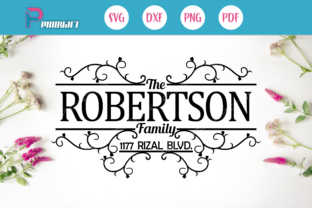
Mailbox Decal: A Unique Design for Creative Projects
If you're looking for a distinctive visual element to elevate your design work, Mailbox Decal might be exactly what you need. This SVG graphic is ideal for use in cutting machines, printing, and various design software. Whether you're creating custom labels, packaging, or digital graphics, Mailbox Decal offers a fresh and appealing look that stands out.
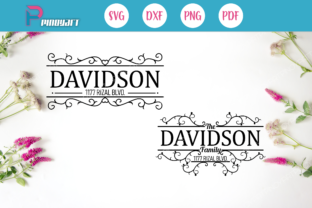
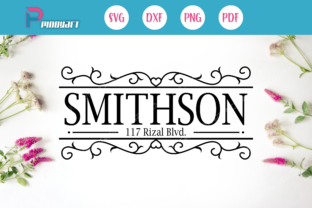
The design features a clean, modern aesthetic with subtle details that make it versatile for different applications. Its style blends simplicity with character, making it suitable for both casual and professional projects. The decal's appearance is reminiscent of traditional mailbox signage, giving it a nostalgic yet contemporary feel.
Where to Use Mailbox Decal
Mailbox Decal is highly adaptable and can be used across a wide range of creative fields. For print projects, it works well as a label or sticker design, adding a touch of personality to products or packaging. In digital design, it can enhance web graphics, social media posts, or email templates with a unique visual flair.
For scrapbooking and DIY enthusiasts, the SVG format makes it easy to customize and scale. You can use it in cutting machines like Cricut or Silhouette to create personalized items such as tags, cards, or home decor. Its compatibility with various design programs ensures flexibility for both beginners and professionals.
Web designers and marketers can incorporate Mailbox Decal into logos, banners, or promotional materials. Its clean lines and structured layout make it an excellent choice for branding elements that require clarity and visual appeal. When paired with other design assets, it can help establish a cohesive brand identity.
How Mailbox Decal Influences Design
Typography plays a crucial role in how a design communicates its message. Mailbox Decal, while not a traditional font, functions similarly in terms of visual impact. Its structure supports readability while maintaining a distinctive personality. This makes it ideal for projects where a strong visual presence is needed without overwhelming the viewer.
In editorial design, Mailbox Decal can serve as a headline or subheading, drawing attention while complementing other text elements. Its clean form allows it to work well alongside serif or sans serif fonts, offering a balanced approach to typeface pairing. When used in packaging design, it adds a layer of sophistication that can differentiate a product on the shelf.
For brand identity, consistency is key. Mailbox Decal can be integrated into a broader design system to reinforce brand recognition. Its versatility means it can be adapted for both digital and physical formats, ensuring a unified look across all touchpoints. This helps build trust and familiarity with your audience.
Choosing the Right Font for Your Project
When selecting a font or design element like Mailbox Decal, it's important to consider the project's goals and audience. If you're aiming for a modern, professional look, Mailbox Decal can add a refined touch without being too flashy. For more casual or handmade projects, its structured form still provides a polished appearance.
Evaluating how Mailbox Decal fits into your existing design palette is essential. Test it against other fonts to see how it interacts visually. Pay attention to factors like contrast, spacing, and overall harmony. A well-chosen font pairing can enhance the overall aesthetics of your work.
Readability should always be a priority. While Mailbox Decal is designed for clarity, it's worth testing it at different sizes and in various contexts. Ensure that it remains legible in both print and digital formats. This will help maintain the integrity of your message and prevent any confusion among your audience.
Understanding Licensing and Commercial Use
Before using Mailbox Decal in commercial projects, it's important to review the licensing terms. The file typically includes SVG graphics but does not come with the font itself. This means you'll need to ensure that any additional typography used in your design complies with its own licensing requirements.
For small businesses and independent creators, understanding the scope of use is critical. Some licenses may restrict how the design can be applied, especially if it's part of a larger branding effort. Always verify that your intended use aligns with the provided permissions to avoid any legal issues.
When working on a project that involves multiple stakeholders, clear communication about design assets is necessary. Provide detailed information about the files you're using, including any restrictions or guidelines. This helps streamline the creative process and ensures that everyone involved is on the same page.