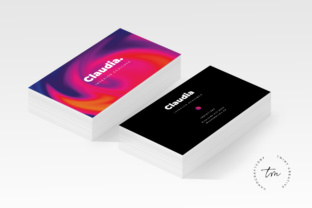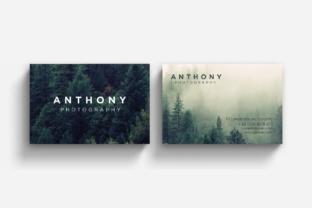
Photography Business Card Template
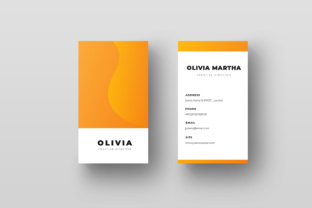
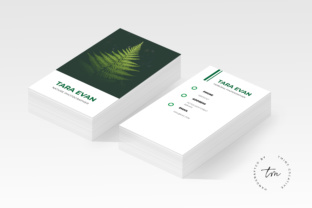
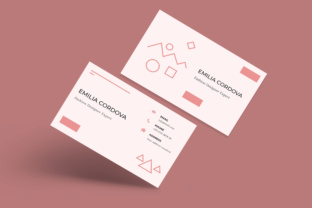
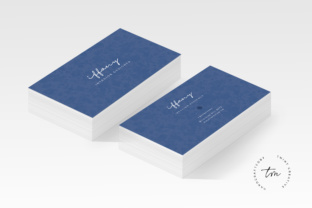
A Photography Business Card Template is a pre-designed layout that allows photographers to create professional-looking business cards quickly and efficiently. These templates are typically designed with a clean, modern aesthetic, making them ideal for individuals or small businesses looking to establish a strong brand presence. With the right template, photographers can showcase their work, contact information, and personal style in a visually appealing way.
Business cards are an essential tool for networking, client outreach, and brand visibility. A well-designed card can make a lasting impression and help differentiate a photographer from competitors. A Photography Business Card Template offers a structured starting point, saving time and ensuring consistency in design elements such as typography, color schemes, and layout.
Why Someone Might Be Interested in a Photography Business Card Template
Photographers often seek a Photography Business Card Template for several reasons. First, it provides a quick and easy way to create a professional business card without requiring advanced design skills. Many templates come with editable text fields, allowing users to customize details like name, contact information, and website URL. This makes it accessible for those who may not have experience with graphic design software.
Another reason is the ability to maintain a cohesive brand identity. A Photography Business Card Template can be designed to match a photographer’s website, social media profiles, or other marketing materials. This consistency helps reinforce brand recognition and professionalism. Additionally, many templates include options for inserting a logo, which further enhances the visual appeal and credibility of the card.
For those who are just starting out, a Photography Business Card Template can be a cost-effective solution. Instead of hiring a designer, photographers can use a template to create a high-quality card at little to no cost. This is especially beneficial for freelancers or small studios operating on a tight budget.
Benefits and Considerations
One of the main benefits of using a Photography Business Card Template is the time savings. Rather than designing a card from scratch, users can focus on customizing content and refining their message. This efficiency is particularly valuable when preparing for events, client meetings, or portfolio presentations.
Another advantage is the availability of print-ready files. Many templates come in formats like PSD (Photoshop) or PDF, ensuring that the final product is suitable for professional printing. This eliminates the need for additional formatting or adjustments before sending the design to a printer.
However, there are also considerations to keep in mind. While templates offer convenience, they may lack the uniqueness that comes with a fully custom design. Photographers who want to stand out may find that a generic template does not reflect their personal style or artistic vision. In such cases, investing in a custom design could be more appropriate.
Additionally, some templates may have limitations in terms of customization. For example, certain fonts, color palettes, or layout options may be fixed, restricting the user’s ability to tailor the design to their specific needs. It is important to review the features of a template before purchasing to ensure it aligns with the desired outcome.
Situations Where a Photography Business Card Template Is a Strong Fit
A Photography Business Card Template is particularly useful for photographers who need a quick and reliable solution for creating business cards. This includes professionals who are attending industry events, networking sessions, or client meetings where having a physical card is essential. The template ensures that the card looks polished and professional, even if it is created in a short amount of time.
It is also a good choice for photographers who are working on multiple projects or collaborating with others. Using a consistent template across different projects can help maintain a unified brand image. This is especially important for teams or studios that want to present a cohesive look to clients and partners.
For those who are new to the photography industry, a template can serve as a learning tool. By experimenting with different layouts, fonts, and visuals, beginners can gain a better understanding of design principles while producing a functional business card.
Situations Where Alternatives May Be Worth Considering
In some cases, a Photography Business Card Template may not be the best option. For instance, photographers who have a strong brand identity or unique artistic style may prefer a custom design that reflects their individuality. Custom designs allow for greater flexibility and creativity, ensuring that the business card truly represents the photographer’s brand.
Additionally, photographers who have access to design tools or graphic design expertise may find that creating a card from scratch offers more control over the final product. This approach can result in a more personalized and distinctive business card that stands out in a competitive market.
If a photographer is targeting a niche audience or specific client base, a tailored design may be more effective. For example, a wedding photographer might benefit from a more elegant and refined design, while a street photographer might prefer something more edgy and unconventional.
Decision-Making Insights
When deciding whether to use a Photography Business Card Template, it is important to evaluate your specific needs and goals. Consider factors such as the level of customization required, the importance of brand consistency, and the available resources for design work. If speed and simplicity are priorities, a template may be the best choice. However, if uniqueness and personalization are key, a custom design may be more suitable.
Another consideration is the target audience. A template that works well for one type of photographer may not be appropriate for another. For example, a minimalist template may appeal to a fine art photographer, while a more vibrant and dynamic design may suit a commercial or event photographer.
Finally, take the time to explore different templates and compare their features. Look for options that offer flexibility, quality, and ease of use. Reading reviews or seeking recommendations from other photographers can also provide valuable insights into which templates are most effective and user-friendly.