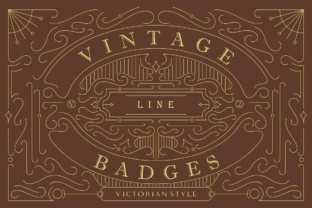
Vintage Line Badges 2: Timeless Design for Modern Applications
Vintage Line Badges 2 offers a collection of 12 meticulously crafted badges inspired by the intricate aesthetics of the Victorian era. These badges are more than just decorative elements; they serve as versatile tools for branding, product labeling, and artistic expression. Each design is available in a high-quality vector format, making it easy to adapt for various uses such as logos, t-shirts, labels, and stamps. The file includes AI, CDR, EPS, PDF, and PNG formats, ensuring compatibility across different design platforms and print requirements.
The Victorian influence is evident in the detailed patterns, ornate borders, and classic typography that define each badge. This style not only evokes nostalgia but also adds a sense of elegance and sophistication to any project. Whether you're designing a custom logo for your business or creating unique labels for handmade products, Vintage Line Badges 2 provides a rich visual language that can elevate your work.
Applications Across Industries
The versatility of Vintage Line Badges 2 makes them suitable for a wide range of industries. In the fashion sector, these badges can be used as embroidered patches on t-shirts, jackets, or accessories, adding a touch of historical charm to modern apparel. For small businesses, the badges can serve as distinctive logos, helping to create a memorable brand identity that stands out from competitors.
In the realm of product packaging, Vintage Line Badges 2 can be printed as labels or stickers, offering an elegant way to present goods. This is particularly useful for artisanal or specialty items where the visual appeal plays a significant role in consumer perception. The badges can also be incorporated into stationery, such as notebooks, envelopes, or business cards, providing a cohesive and professional look.
For educators and researchers, these badges can be used in educational materials or presentations to add a vintage flair to visual content. They may also be employed in historical reenactments, museum exhibits, or themed events where authenticity and period-specific design are essential. The ability to scale the vector files ensures that the quality remains consistent regardless of the size at which the badges are used.
Advantages of Using Vintage Line Badges 2
One of the primary advantages of Vintage Line Badges 2 is their adaptability. The vector format allows for seamless resizing without loss of quality, making them ideal for both digital and print applications. This flexibility is especially valuable for designers who need to maintain consistency across multiple mediums, such as websites, social media, and physical products.
Another benefit is the time-saving aspect. Instead of creating custom designs from scratch, users can leverage the pre-designed badges to streamline their workflow. This is particularly beneficial for creators working on tight deadlines or those with limited design experience. The badges provide a solid foundation upon which to build, reducing the need for extensive graphic design skills.
The historical inspiration behind Vintage Line Badges 2 also contributes to their uniqueness. By drawing from the Victorian era, these badges offer a distinct aesthetic that is not commonly found in modern design trends. This can help differentiate a brand or project from others in a competitive market, making it more memorable to audiences.
Considerations for Effective Use
While Vintage Line Badges 2 offer numerous benefits, there are some considerations to keep in mind when using them. First, it's important to ensure that the chosen badge aligns with the overall theme or message of the project. A Victorian-style badge may not be appropriate for all contexts, especially those that require a more contemporary or minimalist approach.
Additionally, users should be aware of the limitations of the file. The package does not include font files or mockups, which means that further customization may require additional design work. This could be a drawback for individuals who are not familiar with graphic design software or who need immediate ready-to-use assets.
Finally, it's crucial to consider the target audience when selecting a badge. What may be appealing to one group may not resonate with another. Conducting research or testing different designs can help determine which badges are most effective for a specific purpose or demographic.
Real-World Examples and Observations
Several independent businesses have successfully integrated Vintage Line Badges 2 into their branding strategies. For instance, a boutique clothing line used the badges as embroidered patches on denim jackets, creating a signature look that customers associated with the brand. Another example is a small publishing company that used the badges as cover illustrations for a series of historical fiction books, enhancing the visual appeal and thematic coherence of the collection.
Artists and hobbyists have also found creative ways to use the badges. Some have incorporated them into mixed-media art pieces, while others have used them as part of DIY projects, such as customizing phone cases or creating personalized gift tags. These examples demonstrate the broad applicability of the badges beyond traditional commercial uses.
Observations from users suggest that the Victorian-inspired designs often evoke a sense of craftsmanship and attention to detail. This can be particularly effective in markets where quality and heritage are valued, such as luxury goods, artisanal crafts, or niche hobbies. However, it's important to balance the historical elements with modern functionality to ensure that the final product remains relevant and accessible.
Integration into Design Workflows
For designers, integrating Vintage Line Badges 2 into their workflow can enhance the visual storytelling of a project. The badges can be used as focal points in layouts, serving as visual anchors that guide the viewer’s eye. They can also be layered with other design elements to create depth and complexity, adding richness to the overall composition.
When working with clients, the badges can be used as a starting point for discussions about brand identity and visual direction. Their historical context can spark conversations about the desired tone and message of a project, helping to align the creative vision with the client's goals. This collaborative approach can lead to more meaningful and effective design outcomes.
For those working on large-scale projects, the availability of multiple file formats ensures that the badges can be seamlessly integrated into existing design systems. This is especially useful for teams that use different software or workflows, as it eliminates the need for conversion or rework.