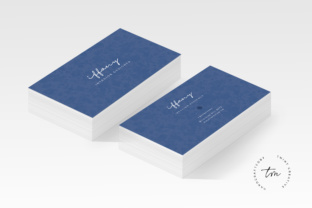
Florist Business Card: A Smart Way to Showcase Your Floral Artistry
For florists, a business card is more than just a piece of paper—it's a powerful tool for making first impressions and building brand recognition. A well-designed Florist Business Card can help you stand out in a competitive market, communicate your professionalism, and connect with potential clients. Whether you're a seasoned florist or just starting out, understanding the importance of a quality business card is essential.
Why Florist Business Cards Matter
A Florist Business Card serves as a tangible representation of your brand. It’s often the first point of contact between you and a customer, whether it’s handed out at an event, left on a counter, or included with a floral arrangement. A professional-looking card can convey trust, creativity, and attention to detail—key qualities for any florist.
With the right design, a Florist Business Card can also reflect your unique style. From elegant typography to vibrant color schemes, the card becomes a mini portfolio of your work. This makes it an effective marketing tool that supports your online presence and social media efforts.
Common Mistakes When Choosing a Florist Business Card
Despite their importance, many florists make mistakes when selecting or designing their business cards. One common error is choosing a design that doesn’t align with their brand identity. For example, using a flashy, overly complex layout might confuse customers rather than impress them. A simple, clean design often has a stronger impact.
Another frequent mistake is neglecting technical specifications. If you’re planning to print your Florist Business Card, it’s crucial to ensure the file meets the required standards. This includes checking the size, resolution, color mode, and bleed settings. Failing to do so can result in a poorly printed card that looks unprofessional.
Understanding File Requirements for Florist Business Cards
If you’re using a digital design for your Florist Business Card, it’s important to know the necessary file details. The standard size for business cards is 3.5×2 inches, with a resolution of 300 dpi. The color mode should be CMYK to ensure accurate printing, and a bleed of 0.25 inches is typically recommended to prevent white edges after cutting.
Working files are often provided in Photoshop CS format, which allows for easy editing and customization. If you’re not familiar with Photoshop, consider seeking help from a designer or using a user-friendly graphic design tool. A help file may also be included to guide you through the process, so take the time to review it before making any changes.
How to Avoid Common Pitfalls
To avoid mistakes when creating or purchasing a Florist Business Card, start by defining your brand’s visual identity. Choose fonts, colors, and graphics that reflect your style and appeal to your target audience. For instance, a rustic florist might opt for a hand-drawn font and earthy tones, while a modern boutique could use a sleek, minimalist design.
Before finalizing your design, double-check all technical details. Ensure the file dimensions match the standard size, the resolution is high enough for clear printing, and the color mode is set to CMYK. If you’re unsure about bleed settings, consult with a printer or use a template designed for business cards.
Also, consider the practicality of your design. Will the text be easy to read? Are the colors too bright or dull? A visually appealing card is only effective if it’s legible and functional. Test your design by printing a sample or using a digital proofing tool.
Realistic Examples and Better Approaches
Imagine a florist who uses a busy, cluttered design on their business card. While the card might look creative, it could be difficult to read and fail to communicate their brand effectively. A better approach would be to simplify the layout, use a clear font, and highlight key information like name, contact details, and website.
Another example is a florist who downloads a free business card template but doesn’t adjust the file settings. This can lead to poor print quality, such as blurry images or incorrect colors. To avoid this, invest time in learning basic design principles or collaborate with a professional designer who understands the nuances of print-ready files.
What to Check Before Using a Florist Business Card
Before printing or distributing your Florist Business Card, there are several things to verify. First, confirm that the file is in the correct format and ready for print. Check that all elements—text, images, and logos—are properly aligned and scaled. Also, review the color accuracy to ensure it matches your expectations.
It’s also wise to test the card with a small print run. This allows you to spot any issues before producing a large quantity. Additionally, consider how the card will be used. Will it be handed out at events, placed in a shop, or sent via mail? Each use case may require slight adjustments to the design or materials.
Finally, don’t forget to update your Florist Business Card regularly. As your brand evolves, so should your marketing materials. Keep your contact information current and refresh the design to reflect any new services or seasonal themes.